
LGBTQ+ Under
Communist Czechoslovakia
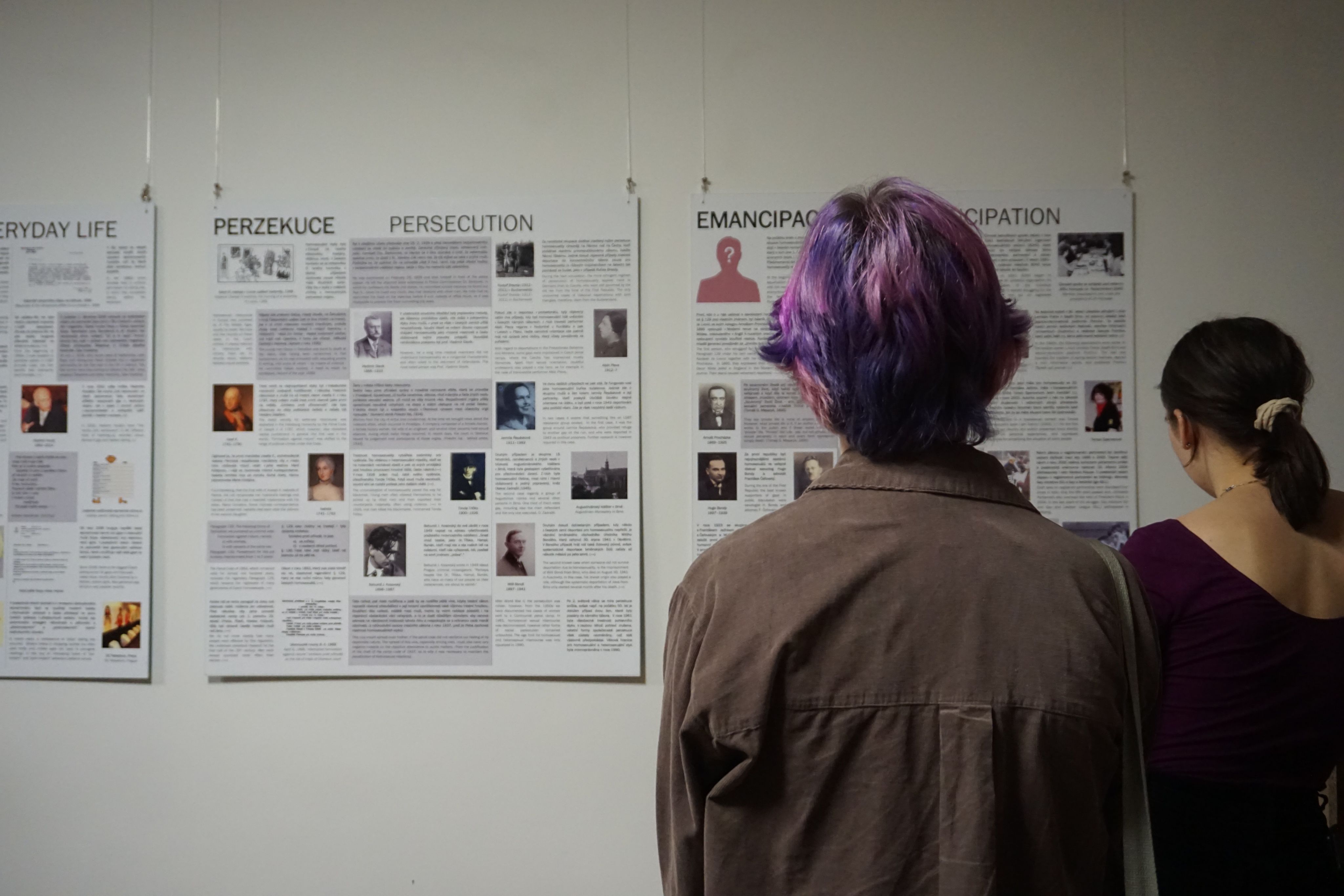

LGBTQ+ individuals in communist Czechoslovakia were outlawed. Their untold stories are now coming out, thanks to dedicated queer activists and historians who immortalize their multicolored lives through public events.
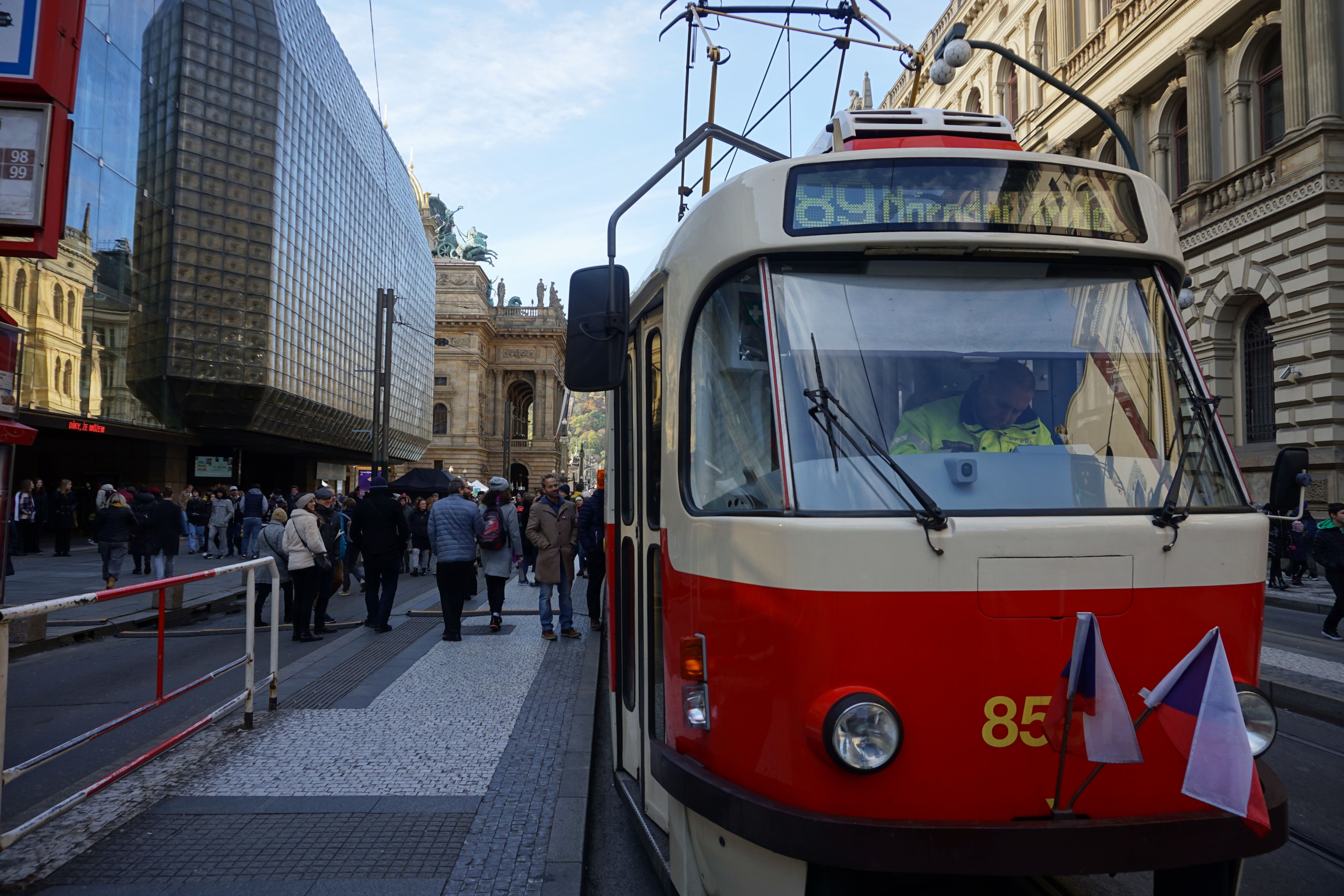
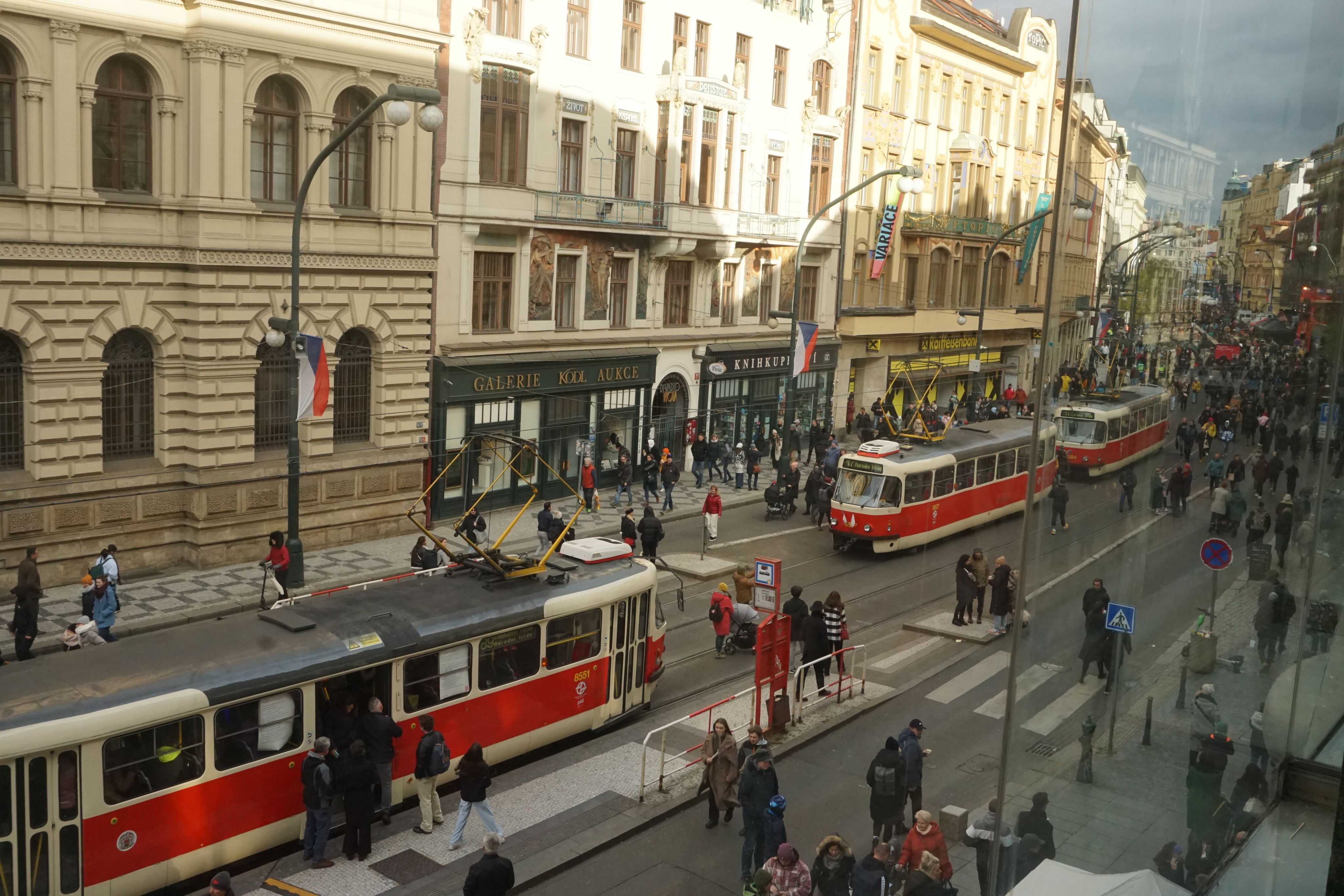
Every year on November 17, the Czech Republic commemorates the events of the massive public protest that took place in Prague and led to the fall of the communist regime in 1989 in what was then Czechoslovakia. This uprising, which signaled the nation’s turn to democracy, is remembered with public gatherings, cultural events, concerts, and other festivities.
During the activities that marked the 34th anniversary of the Velvet Revolution in the capital, event organizers included a special dedication to the memories of various minority groups from the Communist era. This poignant remembrance brought out the untold stories of the marginalized at the time, including the intriguing experiences and memories of the LGTBQ+ community and the changes the peaceful uprising brought to their lives.
The Stress
The challenges of LGBTQ+ individuals during the communist era

Being out was outlawed
In 1948, after World War II, the Communist regime in Czechoslovakia adopted a new penal code that defined homosexuality as a crime against human dignity, declaring it punishable by up to a year of imprisonment.
Fourteen years later, in 1962, the country decriminalized same-sex relationships following the scientific research of Czech physician Kurt Freund, who concluded that homosexual orientation is innate.
Although this decriminalization occurred a lot earlier than in many Western European countries, attitudes in Czechoslovakia did not change as a result.
Even though there were few recorded cases of active persecution for private homosexual acts during the Stalinist era (1948-1961), significant challenges remained, particularly regarding public behavior.
Structural homophobia
According to Ladislav Jackson, executive director of the Society for Queer Memory, an organization dedicated to preserving the memories of queer individuals who lived in communist Czechoslovakia, the patriarchal system and structural homophobia persisted in society and within its institutions after the decriminalization.
Being gay or lesbian was essentially taboo and discrimination and psychological violence in the workplace or the public health sector were a common phenomenon.
“Queer people were still ostracized and had to live under constant stress,” Jackson said.
Out in the open
Homosexual people during the communist era faced enormous challenges in finding partnerships, establishing romantic and sexual relationships, and building communities.
“Only a very minor group among homosexual people lived relatively open queer lives,” he added.
Homosexual people congregated in some places in Prague, such as the famous T-club in the city center. But these were under the constant control of the StB, the secret police force in communist Czechoslovakia.
“There were semi-private spaces that were known as salons with an intellectual or cultural background behind them,” Jackson said. “They were more like artists’ studios, with people coming from a mix of the cultural domain and the queer domain.”
The strategy was different for heterosexual men who were married or had a family to conform to societal norms but wanted to find sexual activity with the same sex. Places like parks, public toilets and baths, and swimming pools could serve as meeting points.
“But in the 1970s, when they [the Czech government] started to build a subway in Prague and moved the public toilets underground, people had to pay for the use of these areas. There was constant supervision, so public toilets were no longer an option,” Jackson highlighted.
The fight for LGBTQ rights
Despite the political and scientific approval of homosexual decriminalization, there was a significant lack of activism that could have helped the fight against queer people's exclusion and advocated necessary legal changes and rights.
In the late 1980s, broader societal changes in post-communist countries such as the enhancement of freedom of speech, created a better environment for the rise of activist movements.
According to Jackson, the foundation of “Lambda” in 1988, initially called the Socio-Therapeutic Club of Homosexuals, was a crucial moment. This modest therapeutic group, which later transformed into an official entity under the Sexologist Institute in Prague, aimed to help people accept and cope with their sexual orientation.
In September 1989, just before the Velvet Revolution, Lambda received authorization to publish its own magazine and later formally transformed into a non-government organization. After the events of November 1989, Lambda became one of the first groups actively fighting for the rights of queer individuals in the nation.

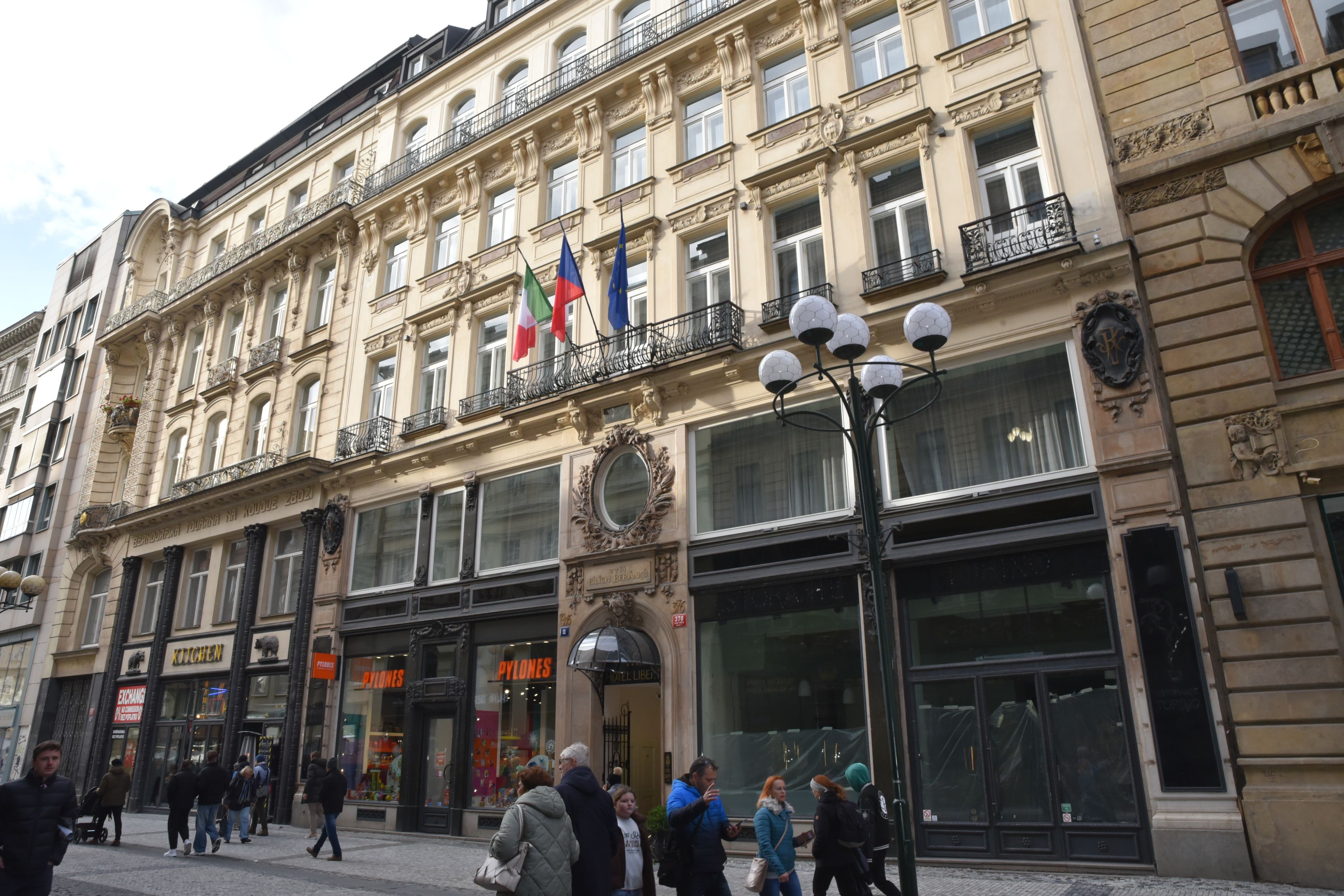
In the 1930s, this house on 28 October Street was a restaurant named U Huňků. Here, gay people would get together and patrons could meet famous people like the actress Adina Mandlová. She wrote about this place in her memoirs.
In the 1930s, this house on 28 October Street was a restaurant named U Huňků. Here, gay people would get together and patrons could meet famous people like the actress Adina Mandlová. She wrote about this place in her memoirs.
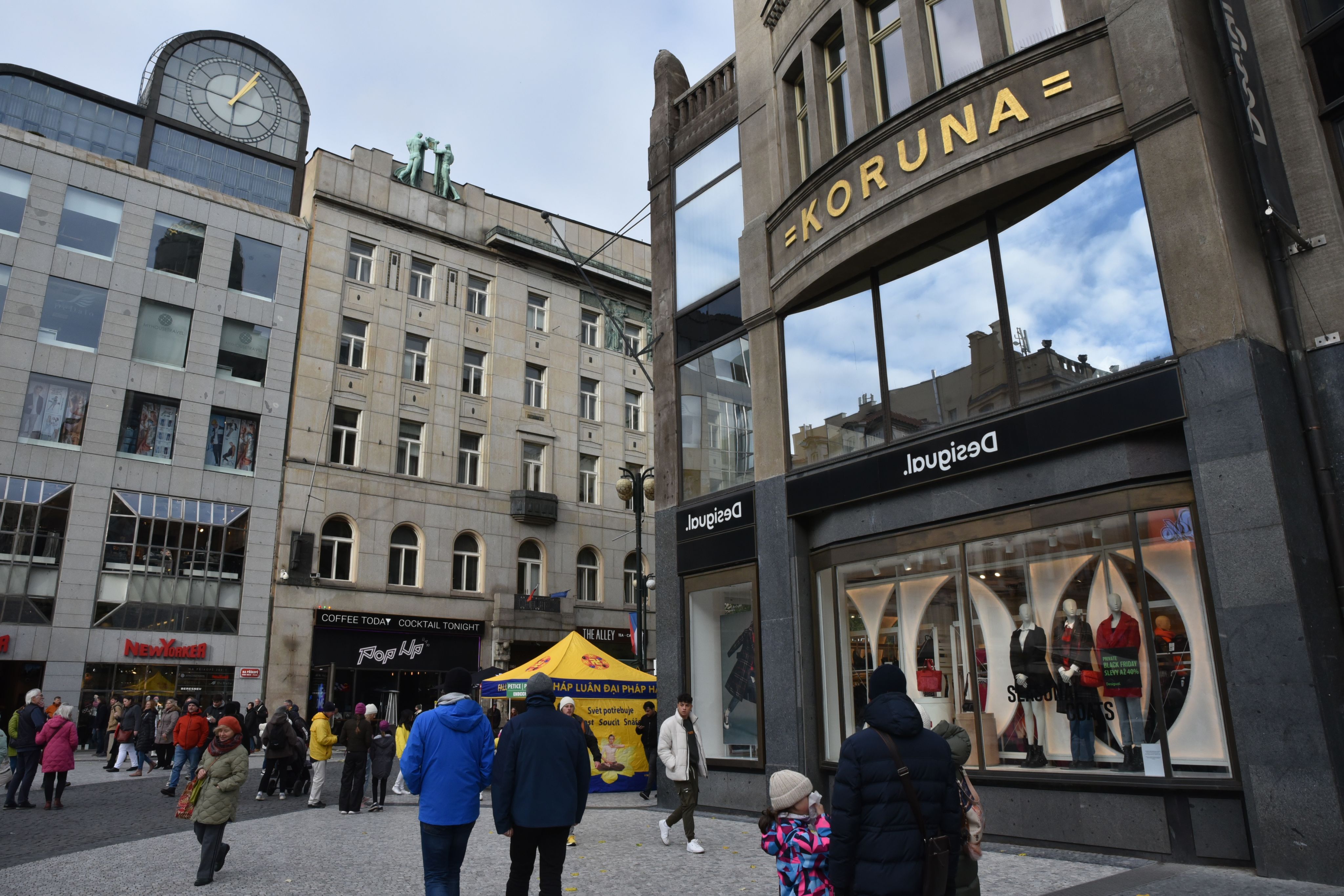
In the late Art Nouveau Koruna Palace at the lower end of Wenceslas Square, there were once three spaces where homosexual relations, or at least sex, were established. There was an arcade, a cafeteria on the ground floor, and a spa in the basement.
In the late Art Nouveau Koruna Palace at the lower end of Wenceslas Square, there were once three spaces where homosexual relations, or at least sex, were established. There was an arcade, a cafeteria on the ground floor, and a spa in the basement.
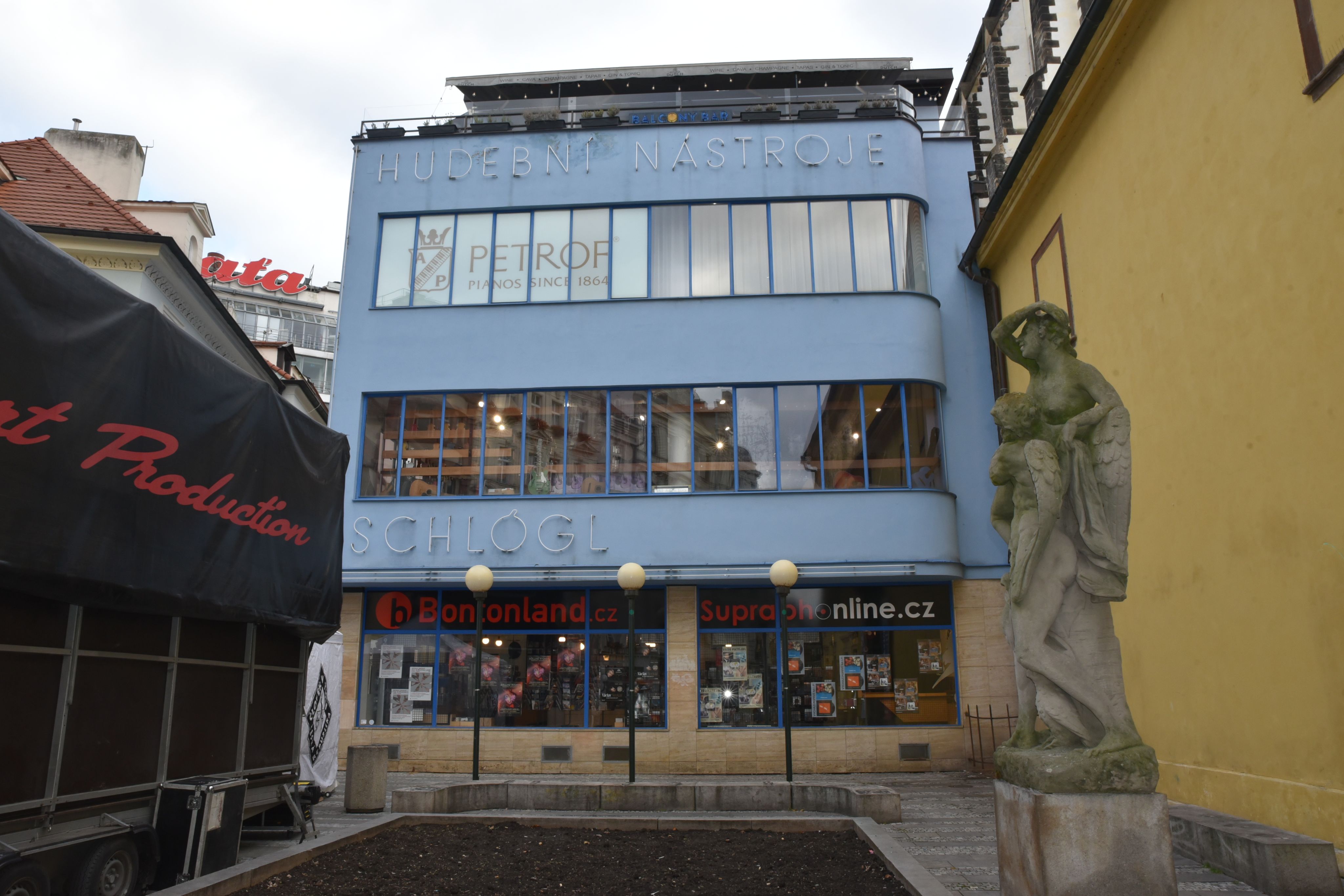
On Jungmann Square, in the premises where musical instruments are sold today, there was a bar with a disco called the T-Club during communism, which took on a distinctly homosexual character over time.
On Jungmann Square, in the premises where musical instruments are sold today, there was a bar with a disco called the T-Club during communism, which took on a distinctly homosexual character over time.
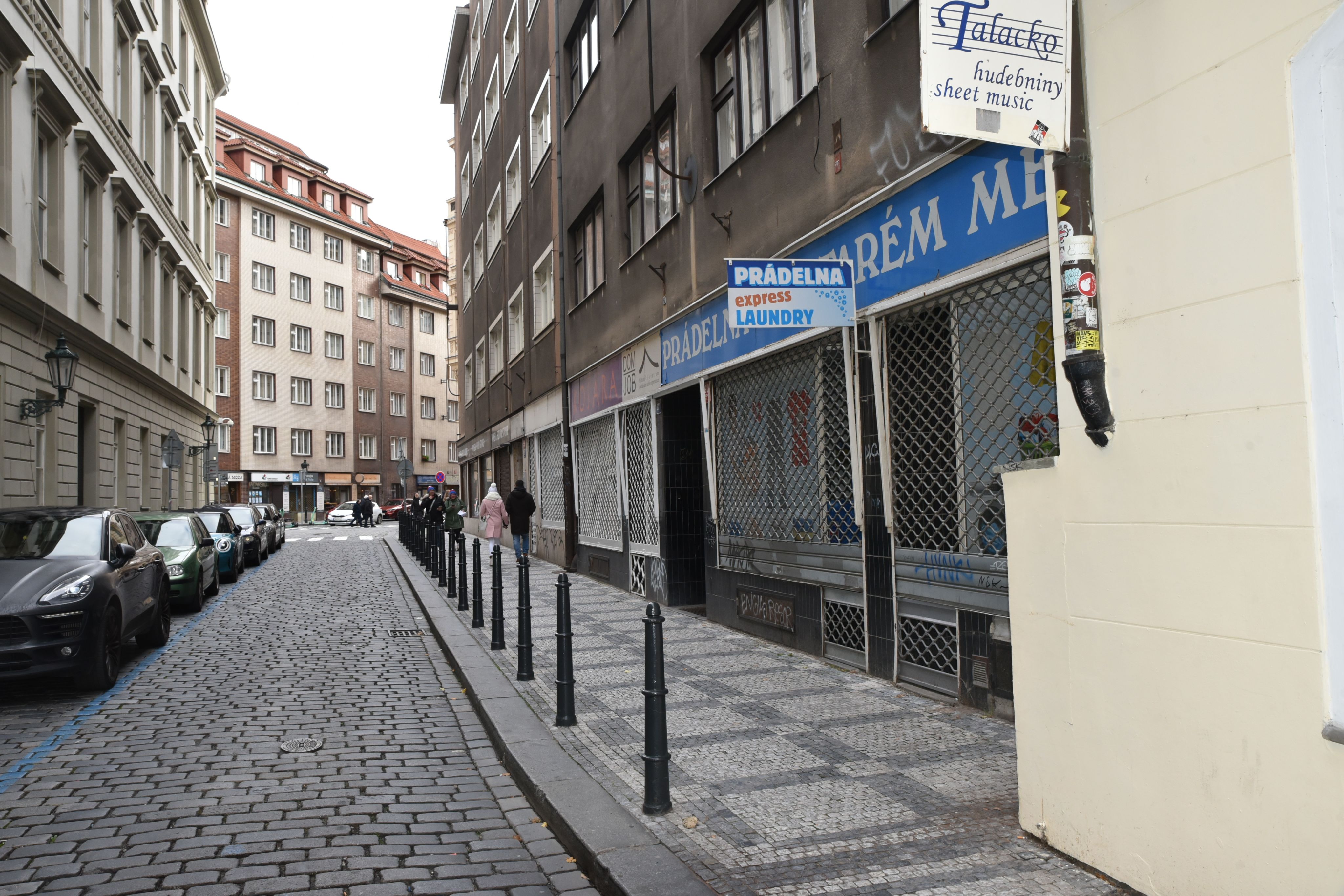
On Rybná Street, where a laundromat stands today, the lesbian club Lambda L-Club met regularly on the second Wednesday of every month in the early 1990s. The L-Club also began publishing Alia, a magazine for homosexual women and girls.
On Rybná Street, where a laundromat stands today, the lesbian club Lambda L-Club met regularly on the second Wednesday of every month in the early 1990s. The L-Club also began publishing Alia, a magazine for homosexual women and girls.
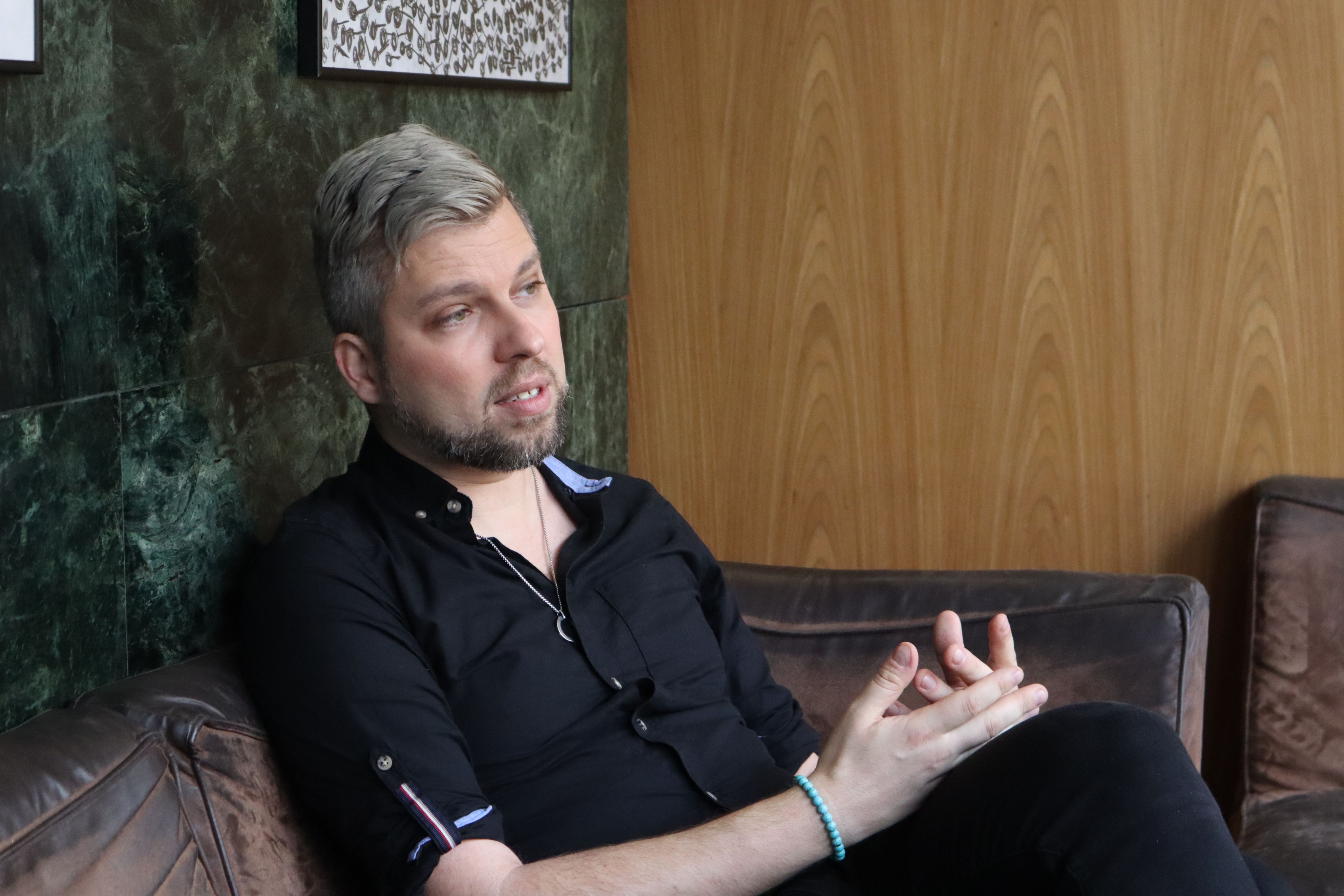
The protests changed everything because people couldn't be legally discriminated against. There was a whole atmosphere of hope.
Ladislav Jackson
Executive Director, Society for Queer Memory

The Spark
The movement that changed the course for LGBTQ+ individuals in Communist Czechoslovakia

On November 17, 1989, a peaceful demonstration in Prague was marred by violence after police stopped unarmed students who chanted, “We have bare hands”, and blocked escape routes. The event triggered a series of protests all over Czechoslovakia, which ultimately led to the end of communist rule and the election of the dissident Vaclav Havel as president. It also ushered in a new and real liberalization of the Czech Republic.
“[The protests] changed everything, basically, because people couldn't be legally discriminated against. People were supposed to be equal. There was a whole atmosphere of hope. Under this atmosphere, it was very easy to start your activism in the early 1990s,” Jackson said.
In the aftermath of what was then called the Velvet Revolution, a new spirit of LGBTQ+ activism rose to seek legal recognition and address the inequalities in Czechoslovakia. A milestone moment in their mobilization was the change of the age of consent from 18 to 15 years for all kinds of sexual intercourse in 1990.
In the same year, the first gay political group also emerged under the name Movement for Equality and Homosexual Citizens. It was established to participate in the nationwide riots and later supported its co-founder Jiří Hromada, who eventually became the country's first homosexual politician. He also became president of the Association of Organizations of Homosexual Citizens (SOHO) that united the LGBTQ+ community.
SOHO operated as an umbrella organization bringing together approximately 30 associations from across the Czech Republic. It aimed at eliminating discrimination against LGBTQ+ people, removing homosexuality from the list of illnesses (a decision made officially by the World Health Organization in 1994), and implementing registered partnerships between people of the same sex. Furthermore, it provided crucial assistance to individuals with HIV, promoted educational brochures for AIDS prevention, and ran a help hotline.
The organization was renamed to Gay Initiative in 2000 and ceased operations in 2006 after its successful lobbying for a law that allowed registered same-sex partnerships.
The Shift
What has changed in the lives of LGBTQ+ individuals after 1989

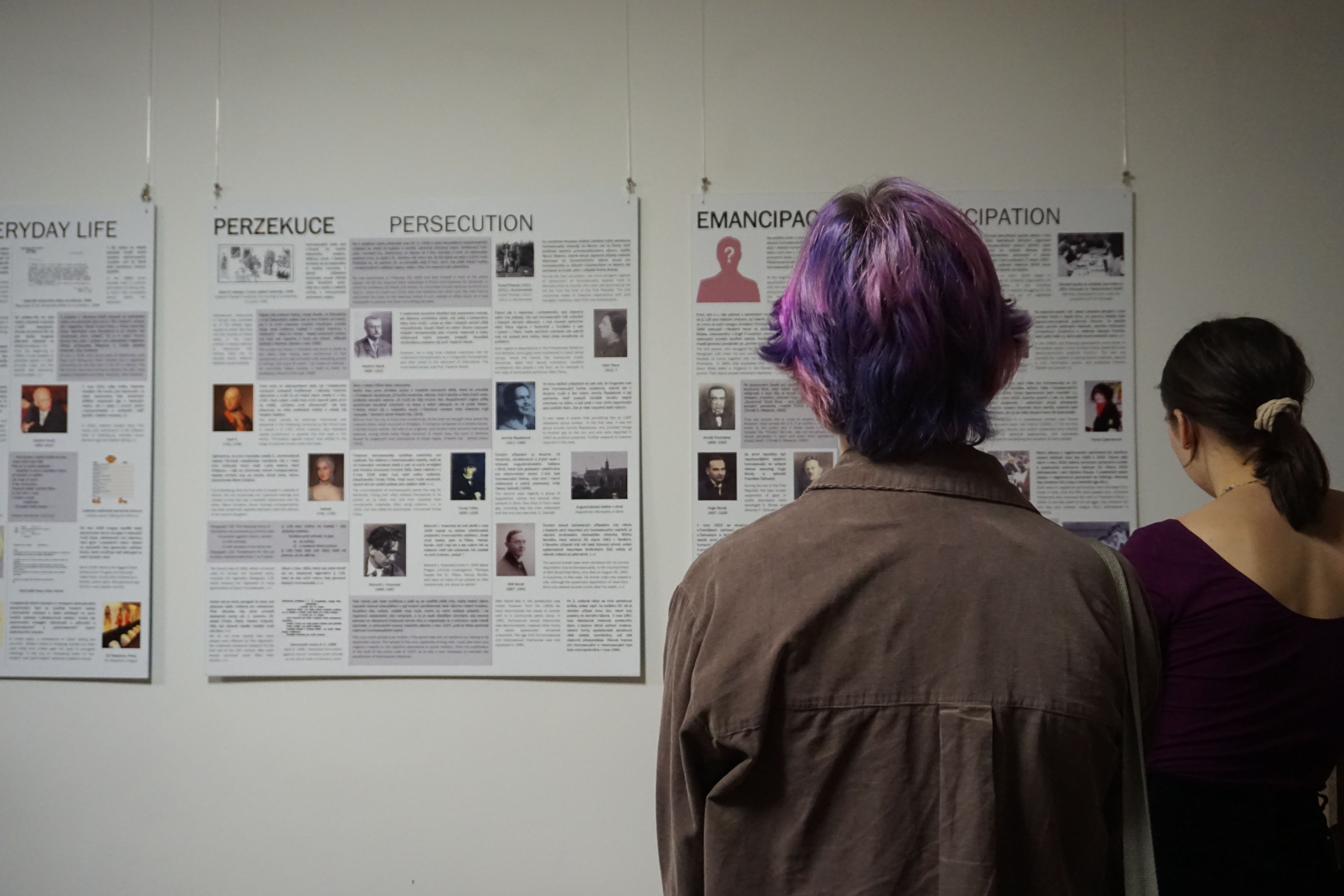
In 1989, Libor Drahonovsky was a 12-year-old student who found it hard to live as a queer person due to various prohibitions.
In 1989, Libor Drahonovsky was a 12-year-old student who found it hard to live as a queer person due to various prohibitions.

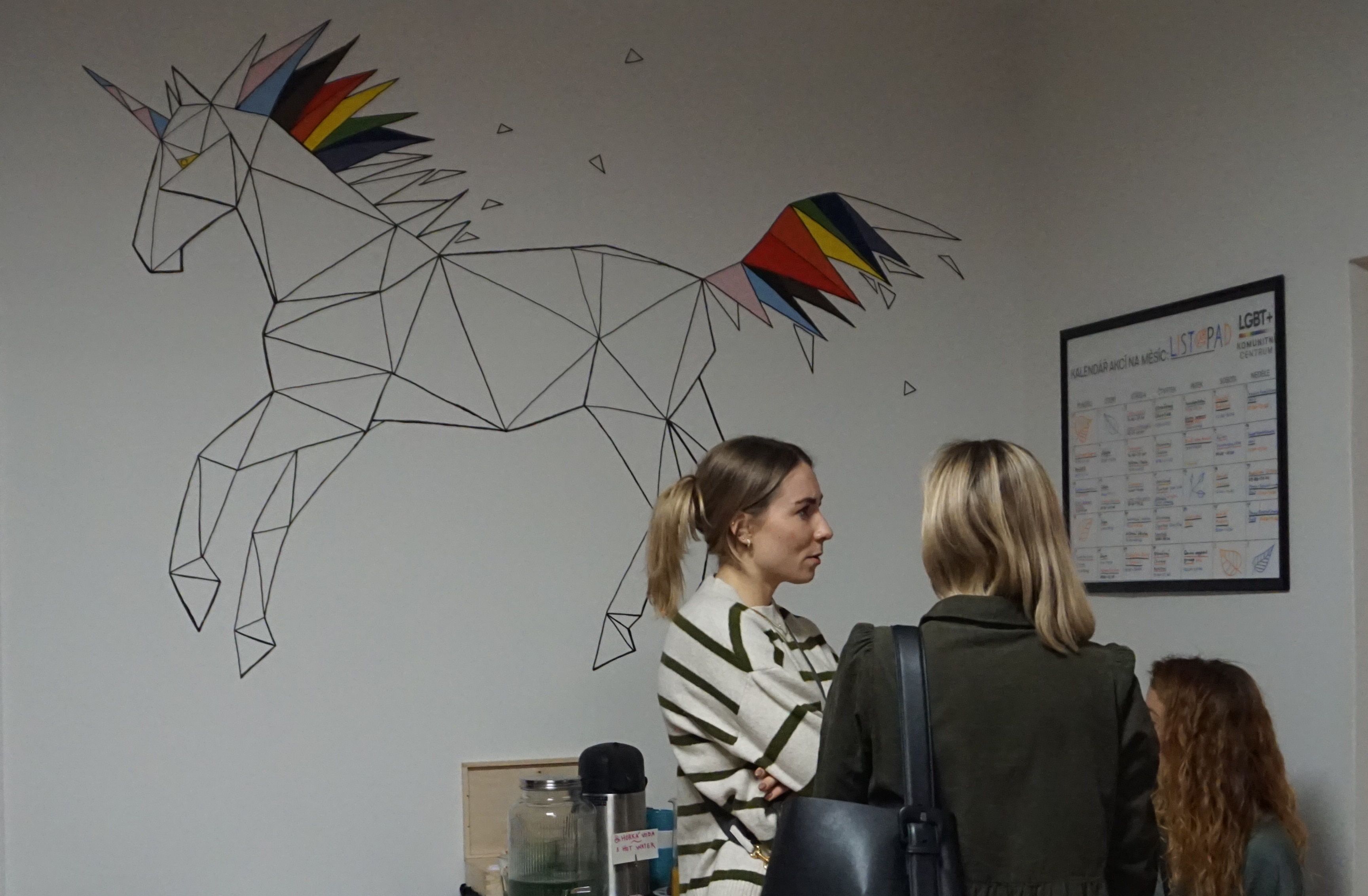
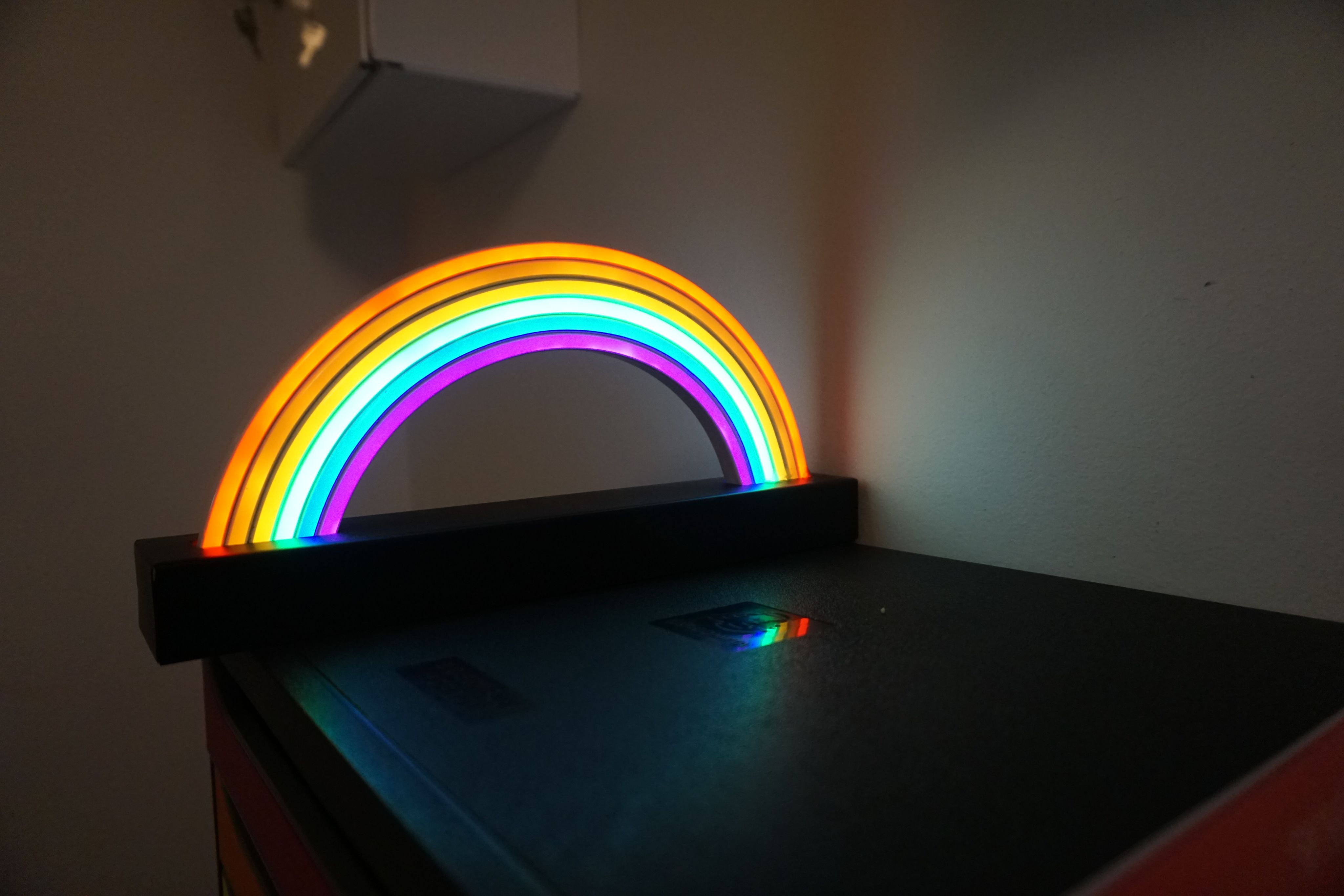
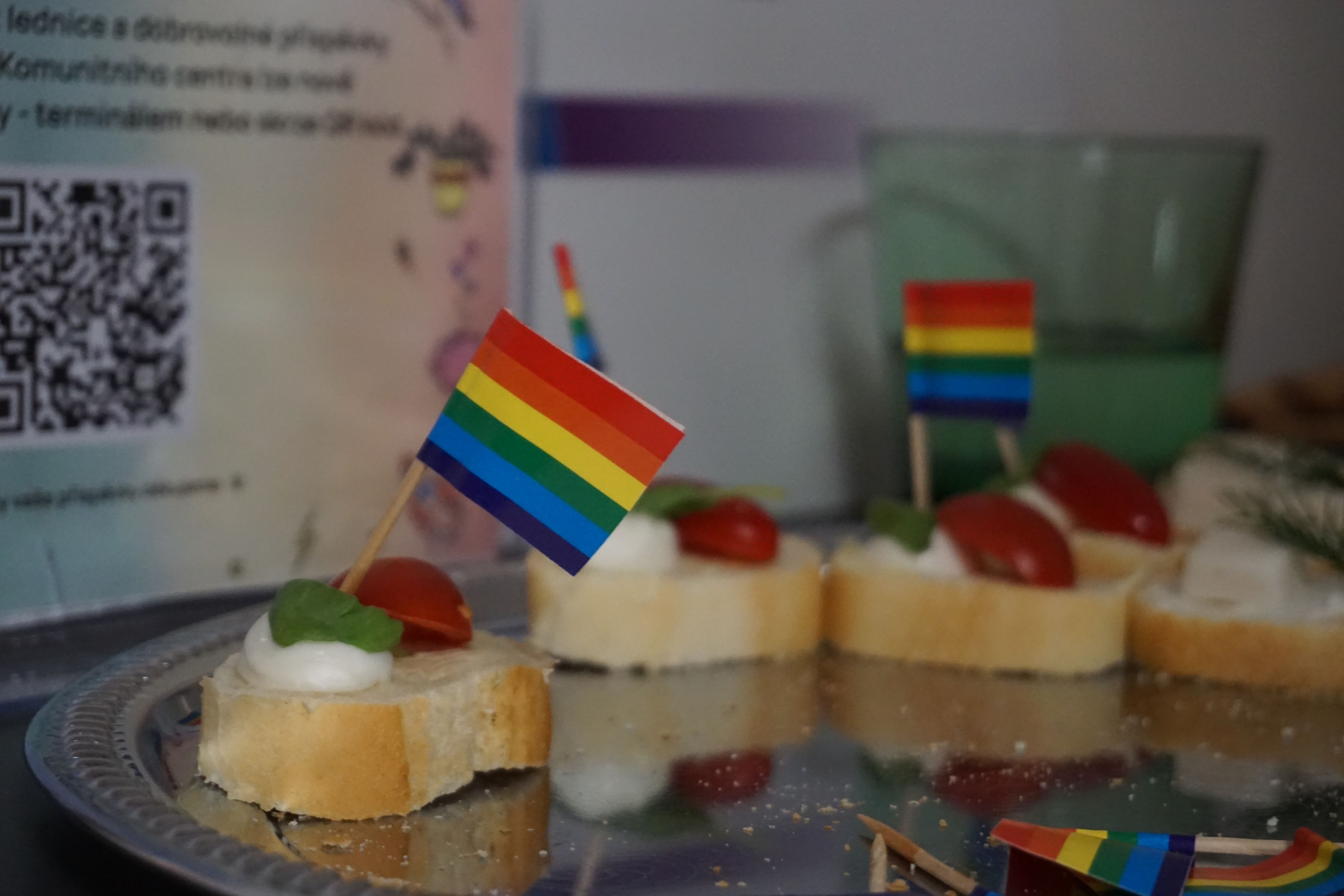
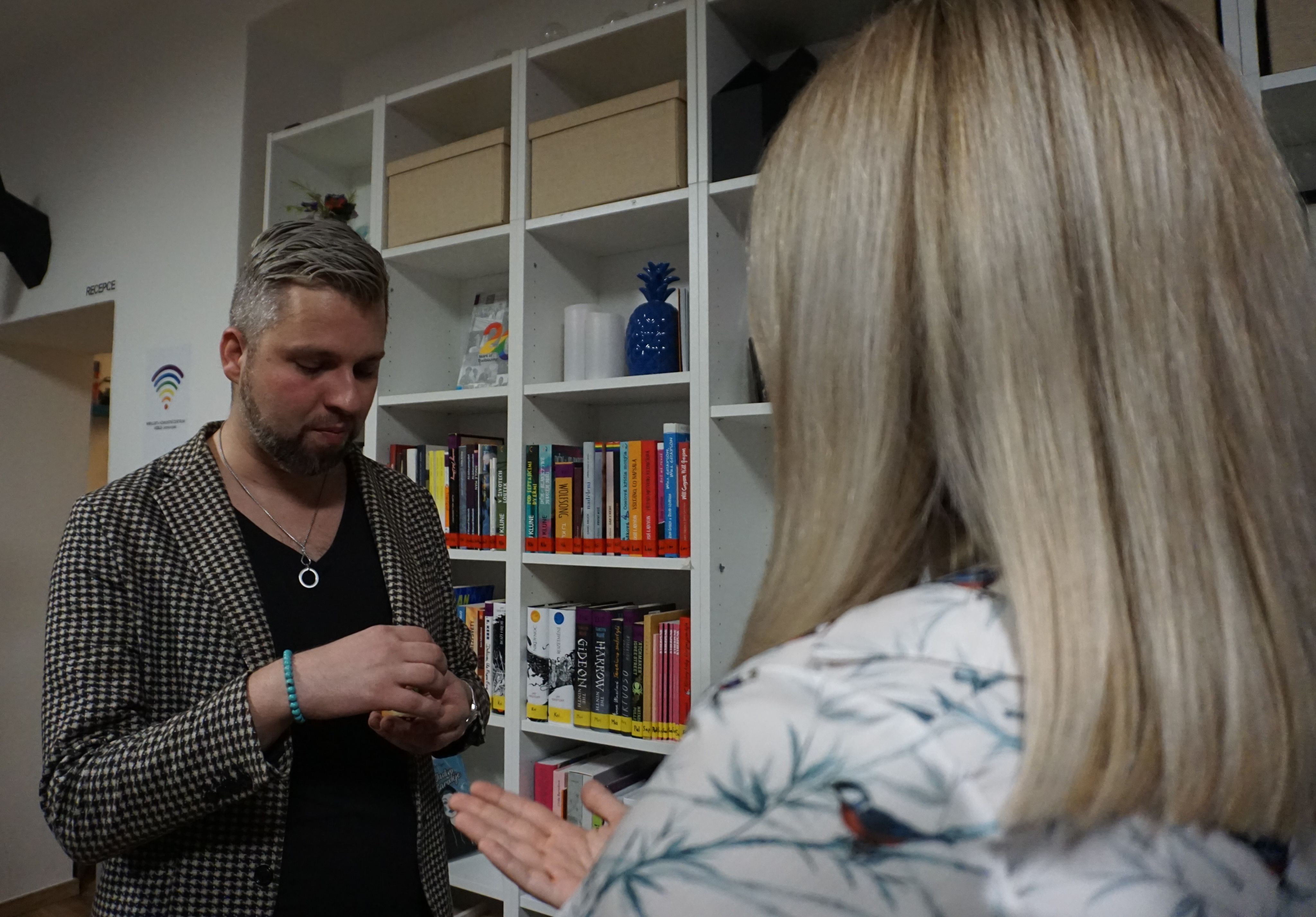
The LGBT Community Center in Prague conducts daily events geared toward the welfare of LGBTQ individuals in the Czech capital.
The LGBT Community Center in Prague conducts daily events geared toward the welfare of LGBTQ individuals in the Czech capital.

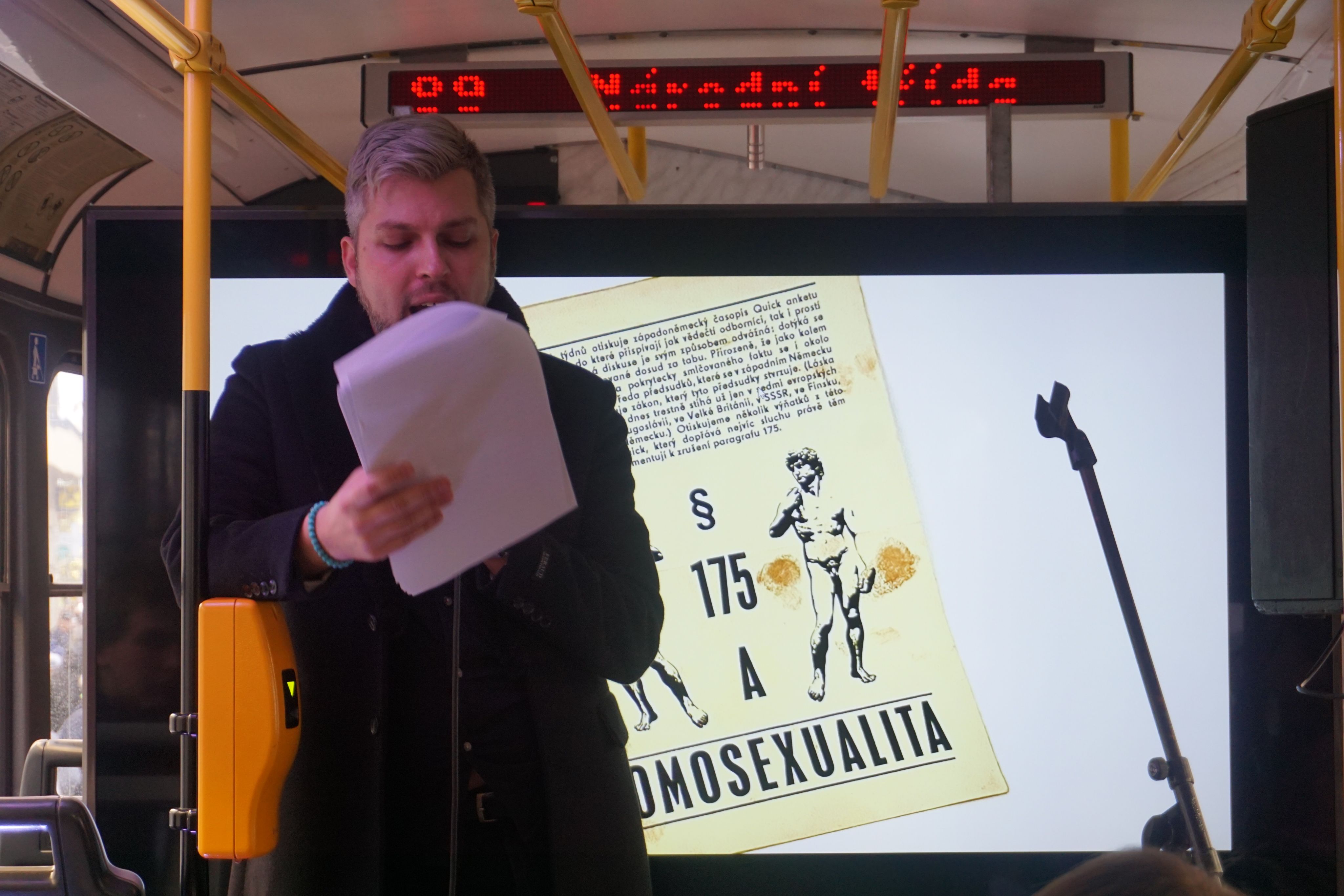
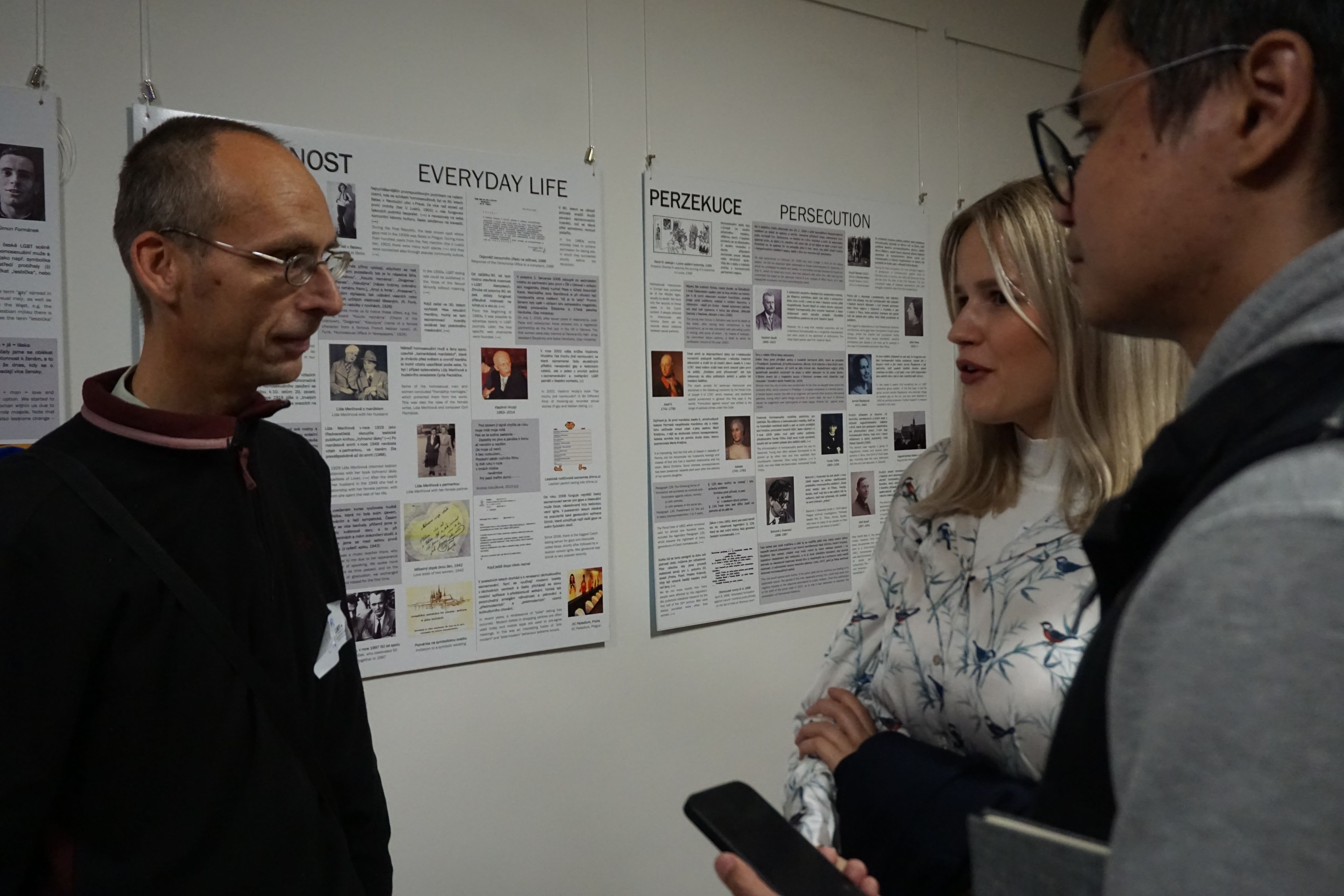
Ladislav Jackson addressed the attendees of an exhibition for the memory of queer people in Czechoslovakia.
Ladislav Jackson addressed the attendees of an exhibition for the memory of queer people in Czechoslovakia.
In the last two decades, there has been a big shift in the Czech population's public opinion about legal issues and rights regarding the LGBTQ+ community. Eurobarometer surveys and CVVM’s annual polls from 2005 on public sentiment on gay rights showed a positive rise in public support for issues such as same-sex registered partnerships, same-sex marriage, and same-sex adoption. This can be noticed in Czech society as an unsuccessful bill legalizing same-sex marriage was under consideration in 2021 and is currently back in the Czech parliament in 2023, awaiting a vote by the Chamber of Deputies members.
Queer people's quality of life has significantly improved in the last decade, thanks to growing legal recognition, societal acceptance, and media and cultural visibility.
The Velvet Revolution, which was essential for the fall of communism and the transformation to a democratic society, was the cornerstone for the advancement of equality, the progress against discrimination, and the creation of a more accepting society for the Czech LGBT+ community.
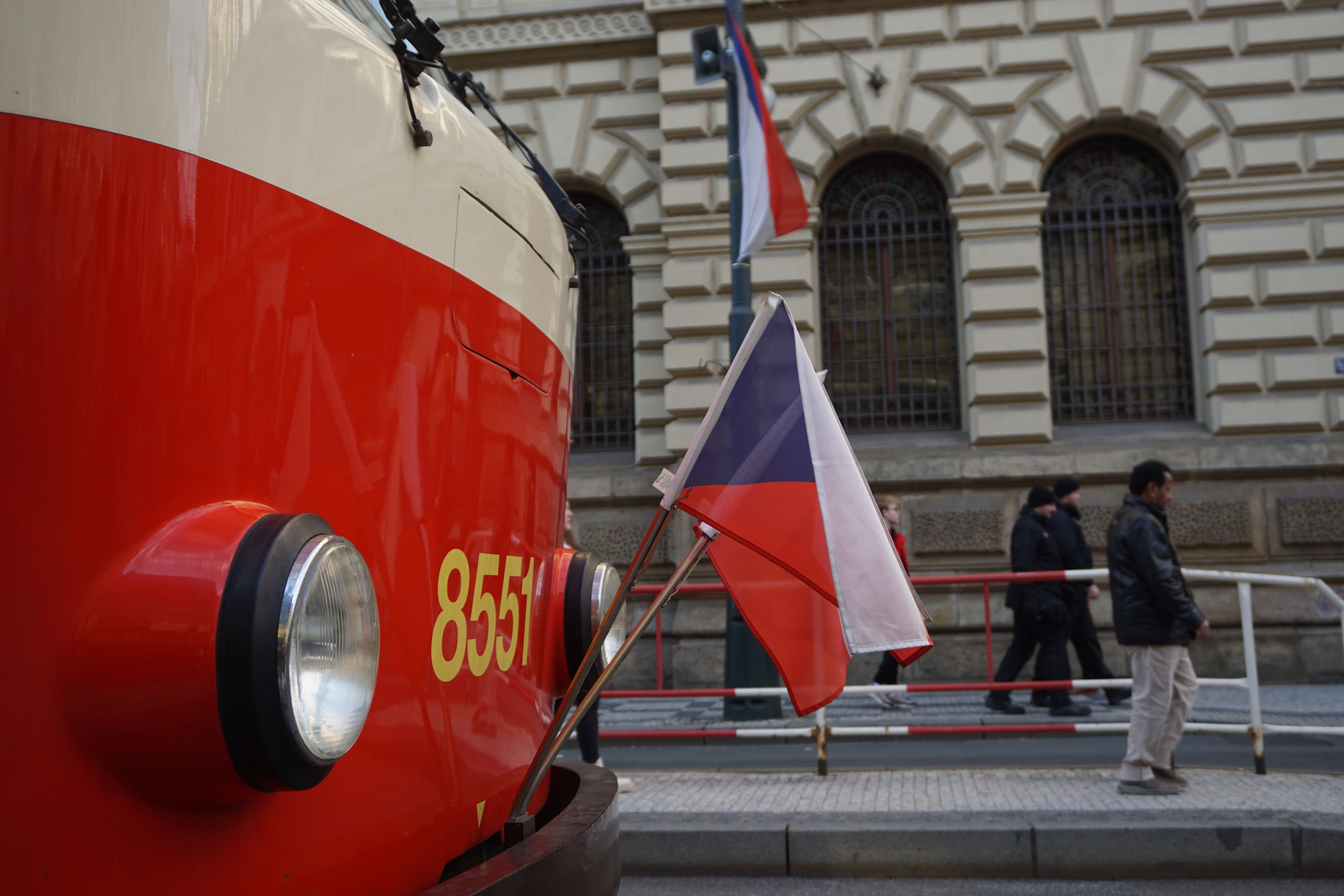
The Velvet Revolution was the cornerstone for the creation of a more accepting society for the Czech LGBT+ community.
Text: Nikos Goudis, Andy Peñafuerte III, and Anna Tunkova
Photos and video: Sebas van Aert, Malene Solheim
Special thanks
Ladislav Jackson, Society for Queer Memory, Libuše Jarkovjakova,
LGBT+ Community Center Prague, Lukaš Samek, Libor Drahonovsky,
Daniela Vseteckova, and Martin Kamen
 Built with Shorthand